|
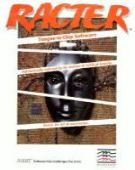
Not really an interactive fiction game but rather one of the most intriguing piece of software ever created, Racter is one of the earliest commercial releases of computer intelligence-- AI gibberish, so to speak, but interesting nonetheless. The program is a more fully developed version of Eliza, a psychologist-cum-machine program that was popular in the early days of PC computing. Similarly, anyone who has played around with Dr. Sbaitso, the talking parrot program shipped with the first SoundBlaster card will be on familiar ground: Racter is basically a computer personality that communicates via a text parser. So how does Racter create the illusion of intelligence? MobyGames description tell it all: "Racter strings together words according to "syntax directives", and the illusion of coherence is increased by repeated re-use of text variables. This gives the appearance that Racter can actually have a conversation with the user that makes some sense, unlike Eliza, which just spits back what you type at it. Of course, such a program has not been written to perfection yet, but Racter comes somewhat close. Since some of the syntactical mistakes that Racter tends to make cannot be avoided, the decision was made to market the game in a humorous vein, which the marketing department at Mindscape dubbed "tongue-in-chip software" and "artificial insanity". Not a true "AI" by any stretch of the word, but a unique program that is well worth a look as an indication of where the field of artificial intelligence was heading in 1984. According to the Racter FAQ, co-designer William Chamberlain even released a book called "The Policeman's Beard is Half Constructed" (Warner Books, NY. 0-446-38051-2, paper $9.95) before the release of the program, the authorship of which he attributed solely to Racter. It's been long out of print, but if you are interested in what a computer-written book reads like, try placing an order on Amazon.com's used book network below. Reviewed by: Underdogs |